

Reef Read: Shackleton’s Way Leadership Lessons
Jeffrey Redmon | Aug 24 2026 18:15
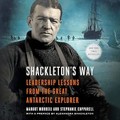
Shackleton’s Way: Leadership Lessons from the Great Antarctic Explorer
by Margot Morrell and Stephanie Capparell
I have studied Ernest Shackleton for years. I keep coming back to him.
Last year I recommended Alfred Lansing’s Endurance
, one of the greatest adventure and survival stories ever written.
If Endurance
tells you what happened, Shackleton’s Way
helps explain why Shackleton’s leadership worked.
Morrell and Capparell take Shackleton’s extraordinary expeditions and translate his leadership instincts into practical lessons that still apply to leaders more than a century later.
A Few Lessons That Stand Out
Hire for Attitude, Not Just Experience
Shackleton understood that technical competence mattered, but character mattered more. In extreme conditions, one person’s attitude could strengthen or poison an entire team.
Know Your People
Shackleton didn’t lead everyone the same way. He paid attention to personalities, strengths, weaknesses, and morale. He knew who needed encouragement, who needed responsibility, and who needed to be kept close.
Give People Real Responsibility
Shackleton was clearly the boss, but he didn’t need to be the only leader. He trusted people to do their jobs and expected them to step up when circumstances demanded it.
Manage Morale as Seriously as Performance
When his men were stranded on the ice with no clear path home, routines, meals, games, celebrations, and humor weren’t distractions. They were leadership tools.
Change the Plan Without Abandoning the Purpose
This may be Shackleton’s greatest lesson. When crossing Antarctica became impossible, he didn’t remain attached to a failed plan. He changed the mission and focused everything on bringing his men home.
Why Read It?
There are thousands of leadership books built around theories and frameworks.
Shackleton’s Way
is built around a leader who was tested under conditions most of us cannot imagine.
Shackleton wasn’t perfect. His expeditions didn’t always achieve their stated objectives. But when the plans disappeared, the conditions became brutal, and people’s lives depended on leadership, his people continued to follow him.
That makes Shackleton’s Way
more than a history book.
It is a practical reminder that leadership isn’t really tested when the plan is working.
Leadership is tested when it isn’t.